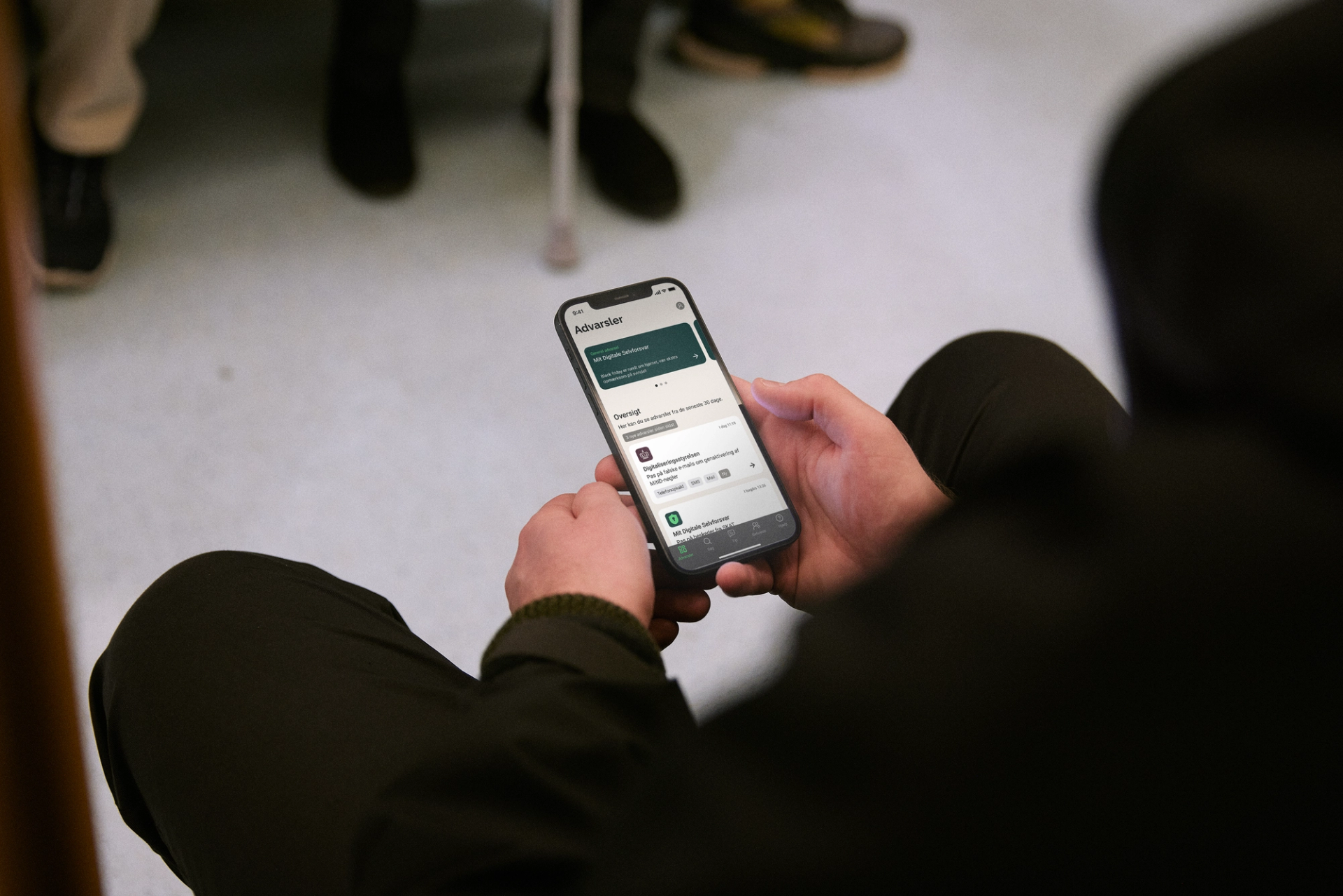
Protect your business against the phishing threats of tomorrow
At our recent Hanegal event, we were joined by Sygeforsikringen “danmark” and Forbrugerrådet Tænk to discuss how businesses can protect both themselves and their customers from phishing attacks that are becoming increasingly sophisticated and harder to detect, especially with the rise of AI.

Phishing on our minds
Phishing is now the most widespread digital threat in Denmark - and it affects everyone. In the past year alone, three out of four Danes have been targeted by phishing attempts. For businesses, phishing has become the second-largest IT security threat after malware, making it a critical challenge for any organisation operating in a digital environment.
At Hanegal, we explored how companies can navigate this escalating threat landscape and strengthen their ability to detect, prevent, and respond to attacks. Meaningful progress is possible, but only when companies, authorities, and citizens work together, combining clear communication practices with robust technological safeguards.
Here we present some of the key takeaways from the event.
A collective responsibility
Every year, Forbrugerrådet Tænk meets thousands of Danes hit by increasingly convincing phishing. The attacks are varied, targeted and growing fast, and today anyone can fall victim. Many cases go unreported, and victims often feel shame, unsure where to turn for help. That uncertainty erodes trust in companies, authorities and the digital systems we rely on.
As Ulla Malling from Forbrugerrådet Tænk reminded us, there are ways forward: making fraud prevention a shared responsibility, using tools like Mit digitale selvforsvar, strengthening technological protections and demanding more from tech platforms. And just as important - removing the stigma and ensuring victims get both financial and emotional support.

Protect your brand through visibility
Protecting your brand starts with clarity and visibility. Companies can’t eliminate phishing, but they can learn to navigate an expanding threat landscape. And authorities need to step up if phishing is to be reduced.
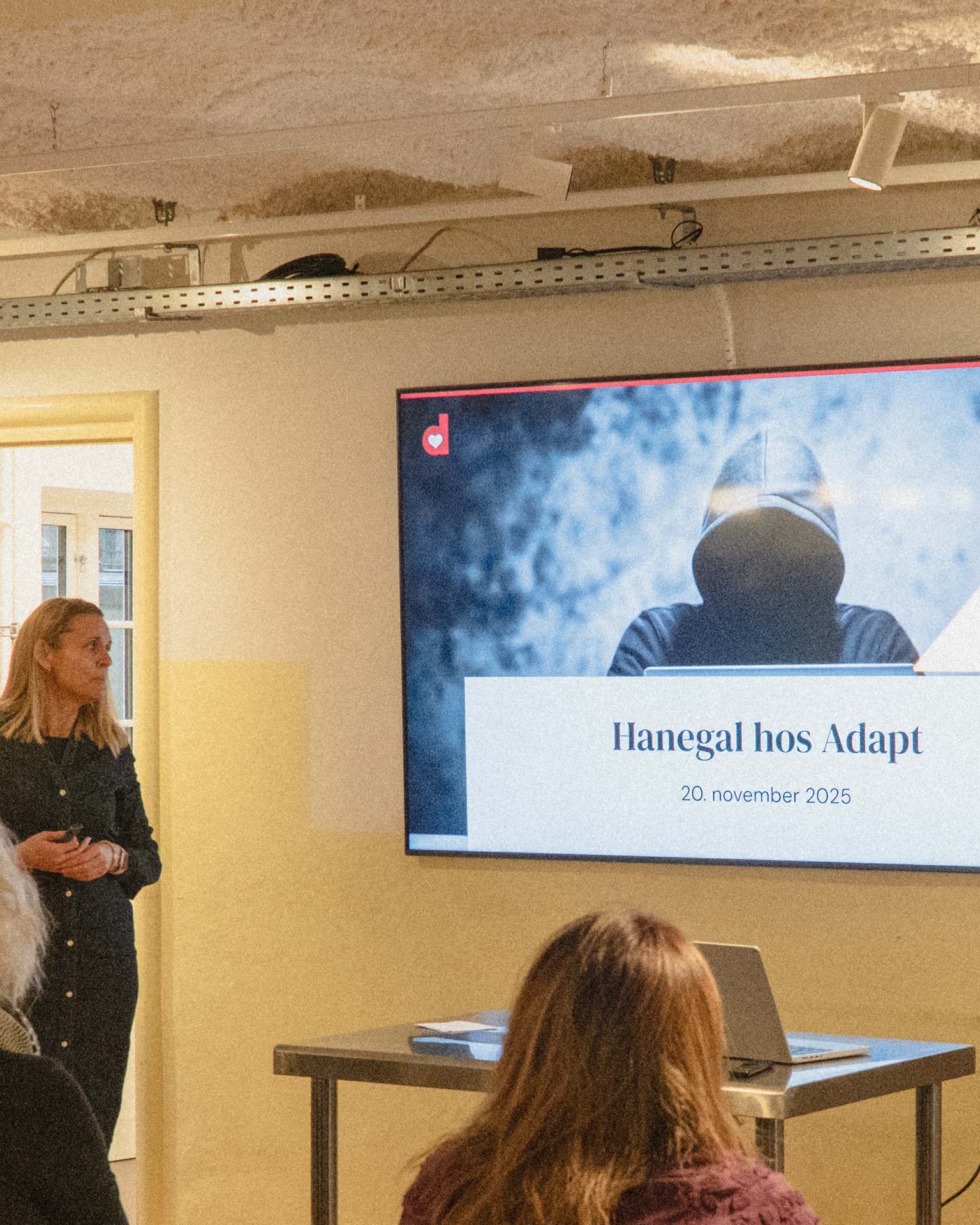
Katrine Krebs from Sygeforsikringen “danmark” showed how often scammers misuse the “danmark” brand, highlighting that trust depends on clear, recognisable communication. When people can’t tell who a message is from, the risk of fraud increases.
Katrine underlined the value of being explicit about your communication channels, keeping a consistent visual identity and maintaining predictable communication flows. When companies communicate in familiar ways, users feel safer - and anything unusual stands out more clearly as potential fraud.
Simplify our communication and secure it
Companies want to keep customers informed, but too many scattered messages can overwhelm people and create openings for scammers.
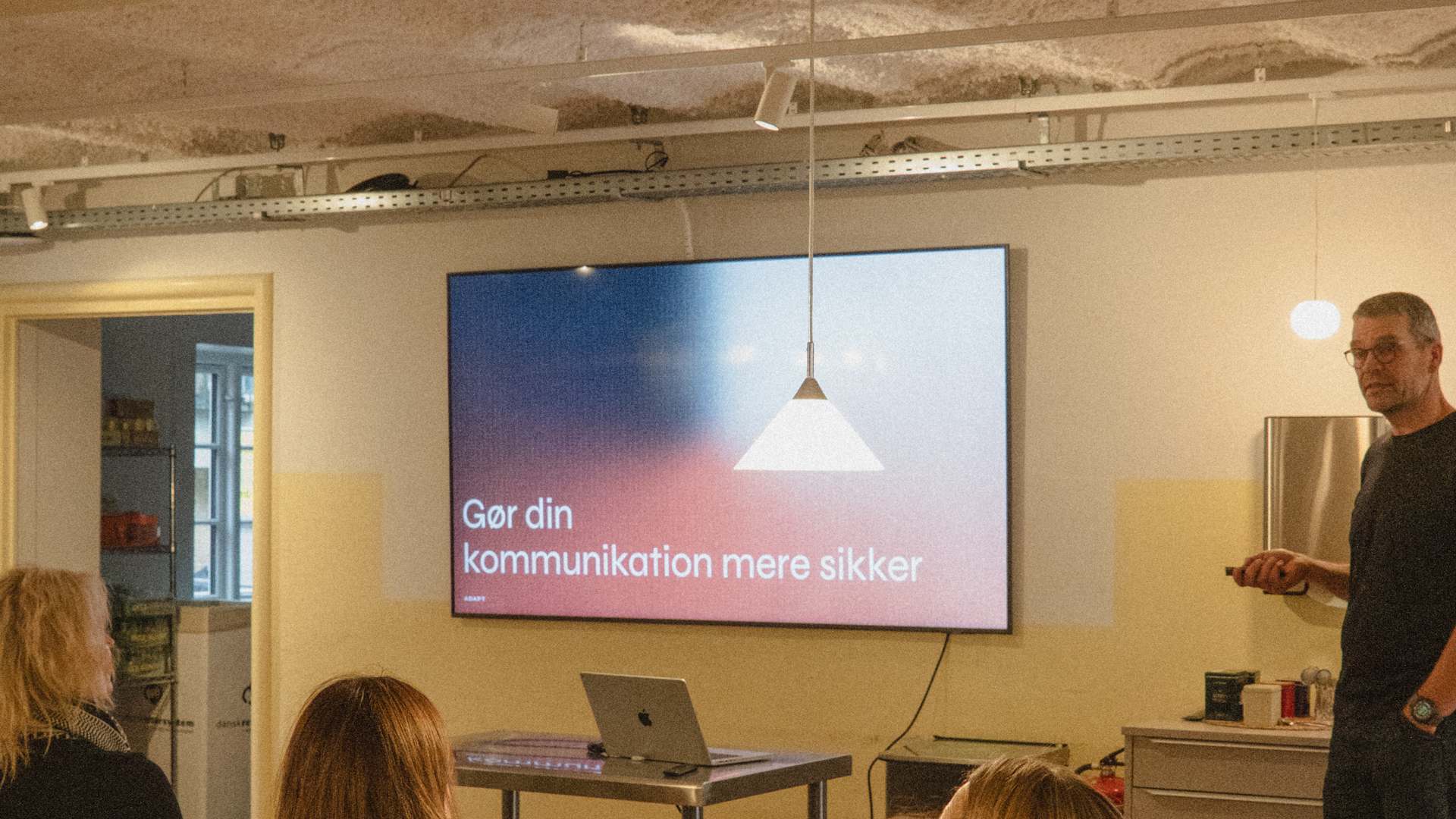
Tommy Davis from Adapt showed how even good intentions can backfire. In one real case, a Danish bank sent him 15 messages across three channels, causing total communication overload. In that confusion, a digital scammer could easily slip in.
Tommy’s advice was simple: communicate less, but more securely. Have a clear channel strategy, use signed emails and BIMI, stay consistent in tone and format, and avoid drowning users in messages.
Most importantly, rely on your app - or build one - as the primary secure channel for critical communication. It remains the safest way to stay in direct contact with your users.
Phishing won’t go away
In fact, it’s only growing as scammers become more sophisticated and start running full-scale, AI-driven operations.
But businesses can navigate this new reality by paying close attention to how they communicate, which channels they use, and how secure each touchpoint is throughout the customer journey.
A big thank-you to Ulla from Forbrugerrådet Tænk, Kristina from Sygeforsikring “danmark”, and Tommy from Adapt for helping shed light on this important topic.
We look forward to seeing you at the next Hanegal.
There are plenty of insights to keep you hanging around for a bit. Why don't you?