The Agile Paradox: Balancing Flexibility and Fixed Budgets
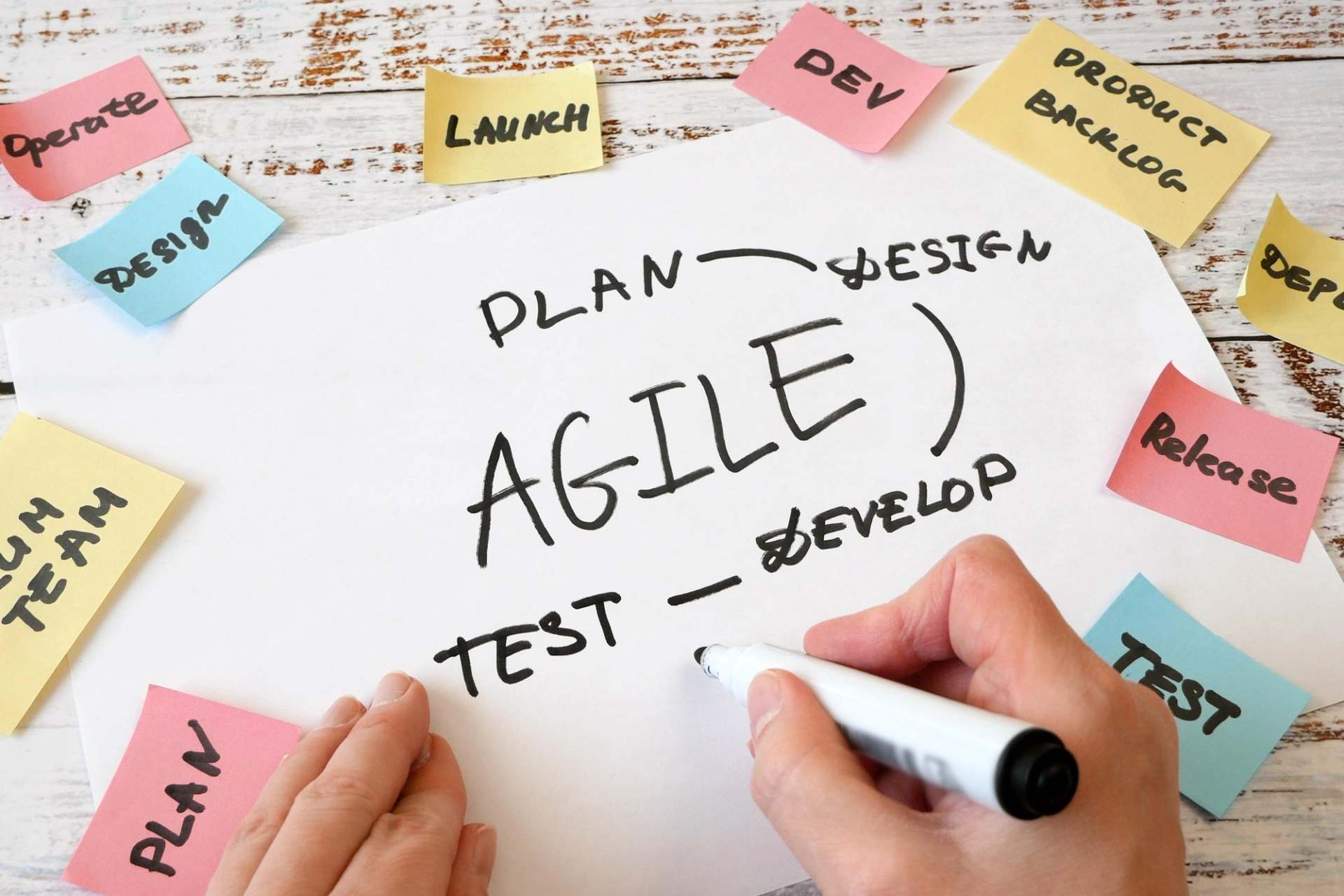
Agile has become the dominant methodology in software development, shining for its flexibility, rapid iteration, and team collaboration. Its benefits often overshadow the traditional Waterfall methodology, which is known for its structured and sequential approach. However, while Agile is attractive for its adaptability to business needs, it often clashes with the reality of fixed client budgets, scope, and pre-set end product expectations. This paradox presents a challenge: how to find the balance between flexibility and predictability?
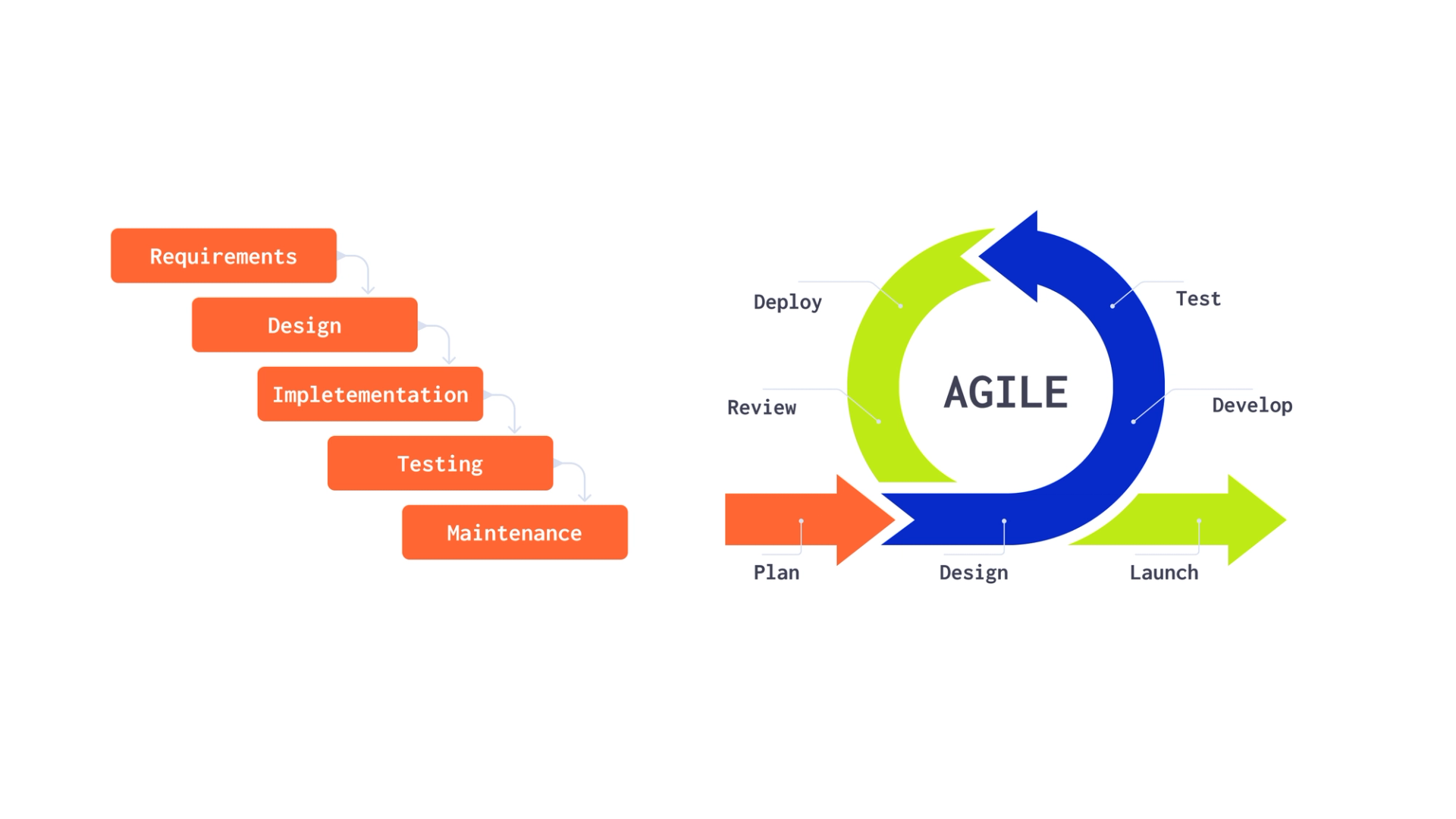
The Waterfall vs. Agile
The Waterfall methodology strives for a fixed project scope and budget, with clearly pre-defined requirements and little expectation for change. Prioritization is set in advance and is followed thoroughly throughout the project’s phases. There’s a strong focus on the process itself, and change is not welcomed during the development.
Yet, the dynamic nature of clients' business needs is often tempted by the advantages Agile offers, such as flexibility, allowing for adaptive changes and emerging requirements that can meet immediate business needs. Agile helps to avoid the pitfalls of rigid planning, enables better risk management, and supports faster, continuous delivery. Quite tempting, right?
However, in some cases, business owners' intentions to operate within a fixed budget, scope, and timeline don’t go anywhere. And here lies the challenge: how can one adhere to a fixed client budget and overall project estimate while maintaining Agile’s iterative nature and flexibility in requirements?
Such a clash can lead to misaligned expectations and, consequently, unsuccessful projects.
“An agile plan is one that we are not only willing but also eager to change.”Mike Cohn
How to bridge this gap?
The solution to this paradox lies not in changing the principles of Agile teams or strictly adhering to a fixed scope and budget, but in adjusting the mindsets of both clients and development teams.
In a perfect world, both parties would be on the same page regarding Agile’s benefits and, more importantly, its shortcomings. Achieving a common understanding often requires compromises, leading to a balance that leverages the advantages of Agile.

Client Maturity and Involvement
For an Agile team to work successfully, the client must reach a certain level of maturity and possibly have some experience in software development. This involves understanding the Agile process, embracing its procedures, and most importantly, committing to the necessary level of involvement throughout the project.
Clients need to recognize that Agile’s iterative approach means the initial scope is likely to evolve as the project progresses, which can impact timelines and costs. Therefore, the client must be engaged in the discovery and development cycle and actively participate in decision-making.

Development Team Expectations Setting
On the other hand, the development team has the crucial mission of setting realistic expectations within the entire team, most importantly, with the client. It’s important to remember that the UX and development team consists of experts, and it is essential to include the client in the process, ensuring they understand how Agile works and what it entails. Open, continuous communication and education are key to aligning perspectives and avoiding the common pitfall of misaligned expectations.
By understanding the team's way of thinking and reasoning, the client can make informed decisions, such as compromising on the overall scope or budget, to achieve a successful product outcome.
Choosing the Right Method
There are instances where the uncertainty of Agile may outweigh its benefits. If a project is well-defined with stable business needs and the risk of changing requirements is low, the Waterfall approach may be better suited.
However, based on our experience, the end product often benefits significantly from Agile’s flexibility. Agile focuses on delivering the right product for the end user, adapting to feedback and changes along the way. In contrast, Waterfall emphasizes the process, ensuring that each step is completed before moving on to the next.
In an ideal world, all team members would understand the pros and cons of Agile and make compromises to achieve a balance. However, it’s understandable that in reality, weighing and comparing these theoretical aspects can be challenging.
Our experience has shown that both methods have flaws, including Agile’s paradoxical desire for both flexibility and predictability. But with the goal of building the right product for the end user, we recommend embracing Agile principles, with an emphasis on establishing common expectations, trust, and involvement from both parties.
We can help
Our agency specializes in navigating the complexities of software development, with a keen focus on setting the right UX/UI and development teams and their processes.
Let's talk
If you want to discuss this or have IT dilemmas of your own, don't be shy to reach out

Linas Balke
CEO of Adapt Lithuania